Hydrogen Is Having a Good Month — Here's What's Happening
New hydrogen cars are actually arriving
If you've been following the ups and downs of hydrogen motoring, the last few weeks have brought a run of genuinely encouraging news — from new cars hitting the road, to fresh investment in the refuelling network that's held the sector back for years.
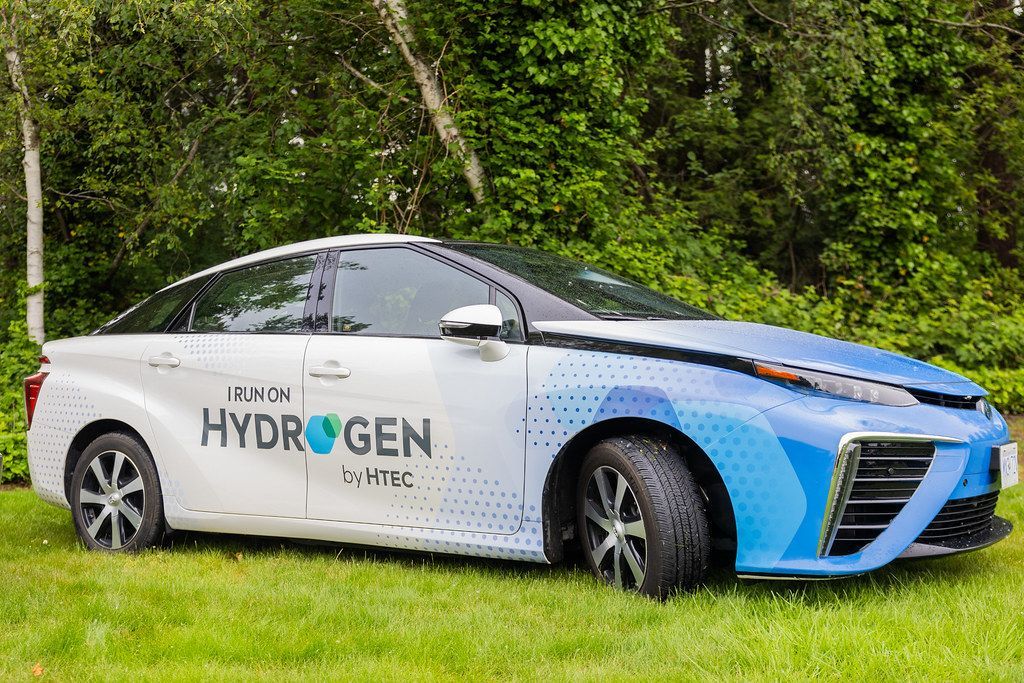
Hyundai's next-generation hydrogen model is on track for a European launch in early 2026, pitched as a step up from the outgoing Nexo, though at a higher price point than Toyota's Mirai. It follows a strong reception in South Korea, where the model launched the previous summer.
Meanwhile in the US, Honda has brought its CR-V e:FCEV to market — a plug-in hydrogen fuel cell SUV that blends the best of both worlds: everyday EV-style charging for short trips, paired with a hydrogen fuel cell for longer journeys and a five-minute refill. It's rated for over 200 miles of range, and Honda is even throwing in a hydrogen fuel card worth up to $15,000 for early buyers.
The refuelling gap is finally getting real money
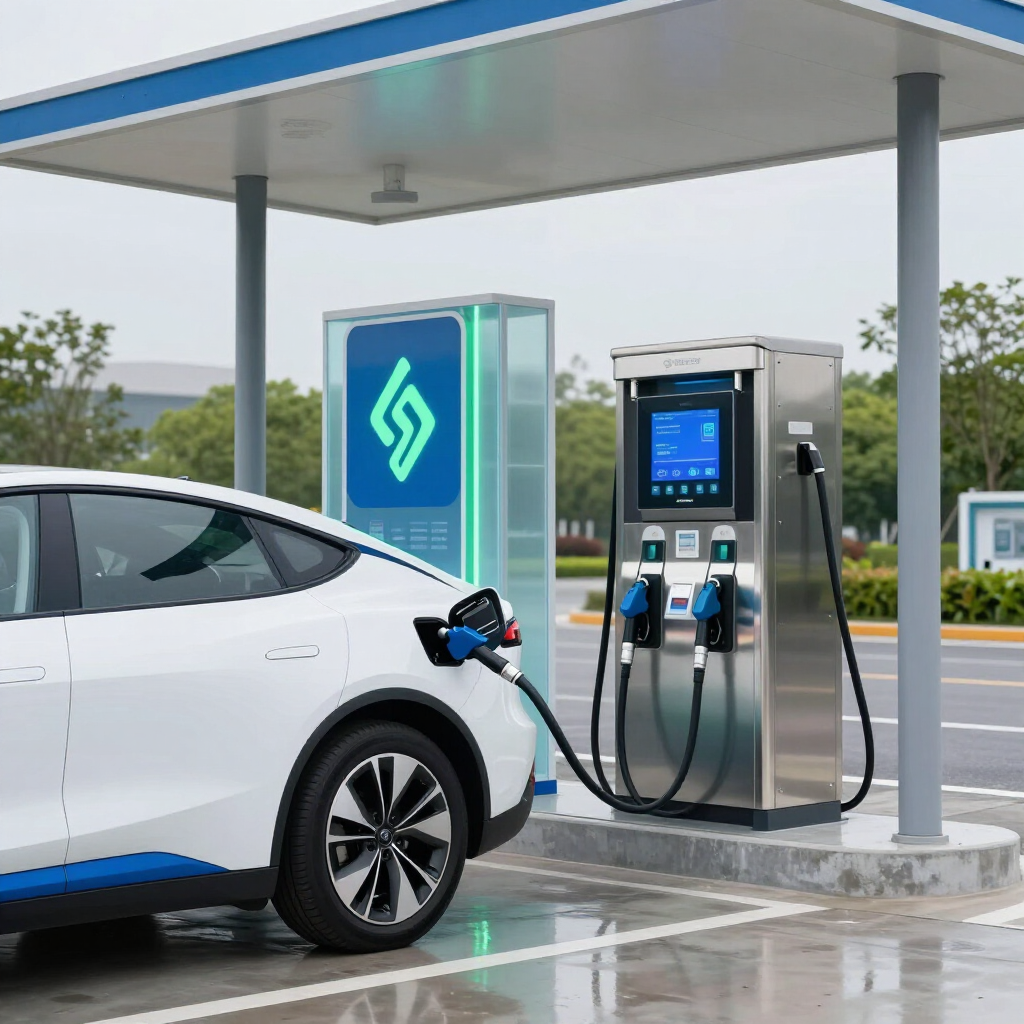
The single biggest complaint we hear from would-be hydrogen drivers is simple: where do I fill up? That's starting to change. Aegis Energy has secured £100 million in funding to build 30 new UK refuelling hubs, with the first sites opening in 2026 and combining hydrogen with bio-CNG, HVO, and EV charging under one roof.
On the commercial side, HyHaul Mobility is rolling out the UK's first dedicated hydrogen HGV corridor along the M4, backed by £14 million of investment and government support through the Zero Emission HGV & Infrastructure Demonstrator programme. It's a heavy-goods story rather than a passenger-car one, but every new station built for trucks strengthens the wider refuelling map that ordinary drivers benefit from too.
Real-world validation, not just lab results
It's not just about new metal and new pumps — the technology itself keeps proving out in practice. A hydrogen-powered vehicle running on locally produced fuel recently completed a 140 km real-world test in Brazil, adding to the growing pile of evidence that fuel cell vehicles can perform reliably outside of controlled conditions.
Why this matters
None of this fixes hydrogen's infrastructure gap overnight — the UK still has a fraction of the refuelling stations you'll find in Germany or China. But the direction of travel is what counts: real investment, real cars reaching real customers, and a slow but steady expansion of where you can actually fill up. For anyone weighing up hydrogen against electric, this is the kind of quarter that makes the case a little stronger.
*Sources: Hydrogen Insight, Honda, Fleet News, Fuel Cells Works, Driving Hydrogen.*